In this post we will show you 5 basic active ingredients that you have to include in your routine, what benefits each one has, how to incorporate these natural cosmetic active ingredients into your routine, and we will show you a product especially for each active ingredient.
Tea tree
The tea tree, also known as Melaleuca alternifolia, is a native Australian plant that has been used for centuries for its healing properties. Tea tree essential oil is known for its ability to fight bacteria, fungi, and viruses, making it an ideal ingredient for acne-prone skin and other skin problems.
Tea tree benefits for skin
Treat acne: Tea tree is an excellent remedy for acne and pimples. Due to its antibacterial and anti-inflammatory properties, it helps fight acne-causing bacteria and reduces inflammation and redness on the skin.
Soothes irritated skin: If you have sensitive or irritated skin, tea tree can be very beneficial. Tea tree essential oil has calming properties and helps reduce inflammation and skin irritation.
Removes Dead Skin Cells: Tea tree also helps to exfoliate the skin and remove dead skin cells. This helps keep skin smooth and fresh looking.
Reduces wrinkles: Tea tree contains antioxidants that help reduce the signs of aging on the skin, such as wrinkles and fine lines. Moisturizes the skin: Tea tree also has moisturizing properties that help keep the skin soft and hydrated
How to incorporate the tea tree into our facial care routine
Cleaning
You can add a few drops of tea tree essential oil to your facial cleanser to treat acne and keep your skin clean and clear.
Tonic
You can make your own facial toner by adding a few drops of tea tree essential oil to distilled water. Spritz the toner on your face after cleansing to soothe skin and reduce inflammation.
Face mask
You can make a homemade face mask by mixing tea tree essential oil with honey and yogurt. This mask helps to exfoliate the skin, reduce acne and give the skin a radiant appearance.
Moisturizing
You can add a few drops of tea tree essential oil to your facial moisturizer to add hydrating and antioxidant properties to your daily routine.
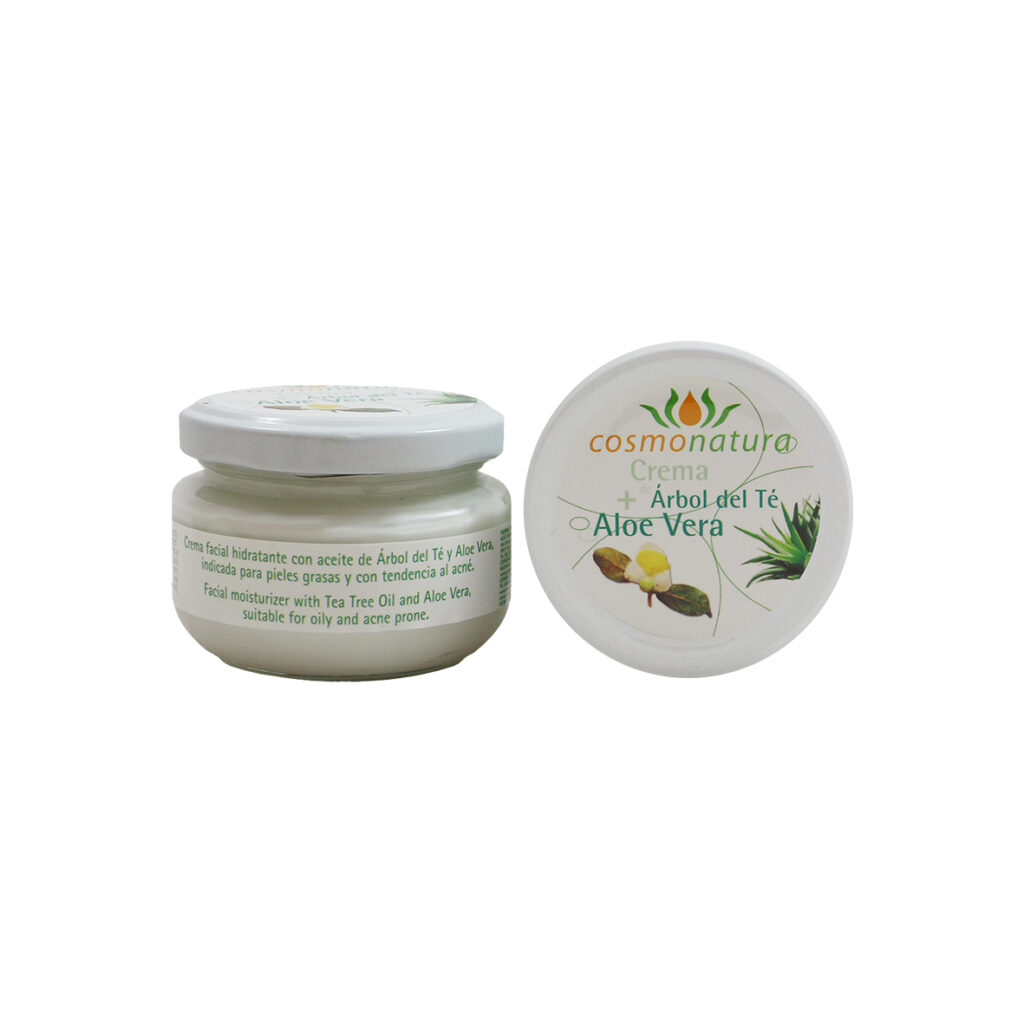
Here we show you our moisturizing face cream with tea tree oil, indicated for oily and acne-prone skin.
tea tree cream
In short, tea tree is a fantastic ingredient for the skin, especially for those who suffer from acne or sensitive skin. Incorporating tea tree essential oil into your facial care routine can help fight bacteria, reduce inflammation, exfoliate the skin, reduce wrinkles, and keep skin hydrated
Caléndula
Calendula, also known as “maravilla”, is a plant native to the Mediterranean that has been used for centuries for its healing properties. Its yellow and orange flowers contain anti-inflammatory, antioxidant, and antibacterial compounds that can be very beneficial for the skin
Benefits of calendula for the skin:
Calms irritated skin
Calendula is known for its anti-inflammatory and calming properties, which makes it very useful for treating irritated and sensitive skin. It helps reduce inflammation and redness of the skin, and can be used to treat problems such as eczema and dermatitis.
Wound healing
Calendula can also be very effective for wound healing and the regeneration of damaged skin. Its anti-inflammatory and antibacterial properties help prevent infection and speed up the healing process.
Moisturizes the skin
Calendula is rich in antioxidants and fatty acids that help keep skin hydrated and smooth. It helps prevent dryness and flaking of the skin, and can be used to treat dry and dehydrated skin
Reduces the appearance of wrinkles
The antioxidants present in calendula help protect the skin from free radicals and reduce the signs of aging such as wrinkles and fine lines
Treat acne
Calendula can also be used to treat acne thanks to its antibacterial and anti-inflammatory properties. Helps reduce inflammation and prevent the formation of pimples and blackheads.
How to incorporate calendula into our facial care routine
Facial tonic
You can make your own facial toner by adding dried calendula flowers to distilled water. Let the flowers steep for a few hours, then strain them. Spritz the toner on your face after cleansing to soothe skin and reduce inflammation
Facial oil
You can use calendula oil to moisturize the skin and reduce the appearance of wrinkles. Apply a few drops of oil to your face and gently massage to absorb
Facial mask
You can make a homemade face mask by mixing dried calendula flowers with honey and yogurt. This mask helps to hydrate the skin, reduce inflammation and give the skin a radiant appearance.
Lipstick
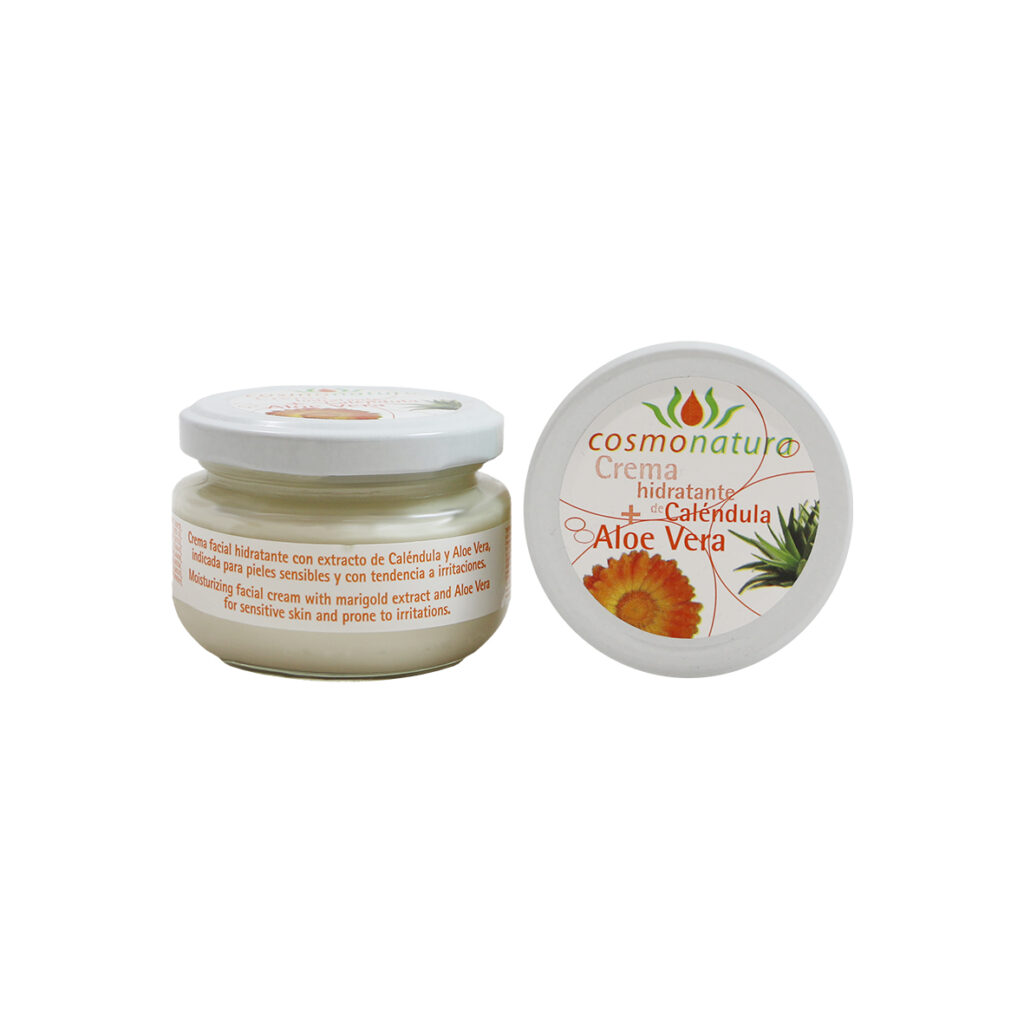
You can use lip balm with calendula oil to moisturize and protect your lips. Here we show you our moisturizing facial cream with calendula extract and Aloe Vera. Indicated for sensitive skin and prone to irritation
Soy is rich in linoleic acid and oleic acid, which are essential fatty acids that help keep skin hydrated and smooth.
Reduces the appearance of wrinkles
Soy is rich in isoflavones, which have antioxidant properties and help reduce signs of aging, such as wrinkles and fine lines.
Improves skin elasticity
The isoflavones present in soybeans also help improve skin elasticity and keep it firm.
Treat acne
Soy contains genistein, which is a compound that can help reduce inflammation and redness of the skin caused by acne.
How to incorporate soy into our facial care routine
Facial cream
You can use a face cream with soy extract to hydrate the skin and reduce the appearance of wrinkles.
Facial mask
You can make a homemade face mask by mixing soy flour with water. This mask helps to hydrate the skin and improve its elasticity.
Facial oil
You can use soybean oil to moisturize the skin and reduce the appearance of wrinkles. Apply a few drops of oil to your face and gently massage to absorb.
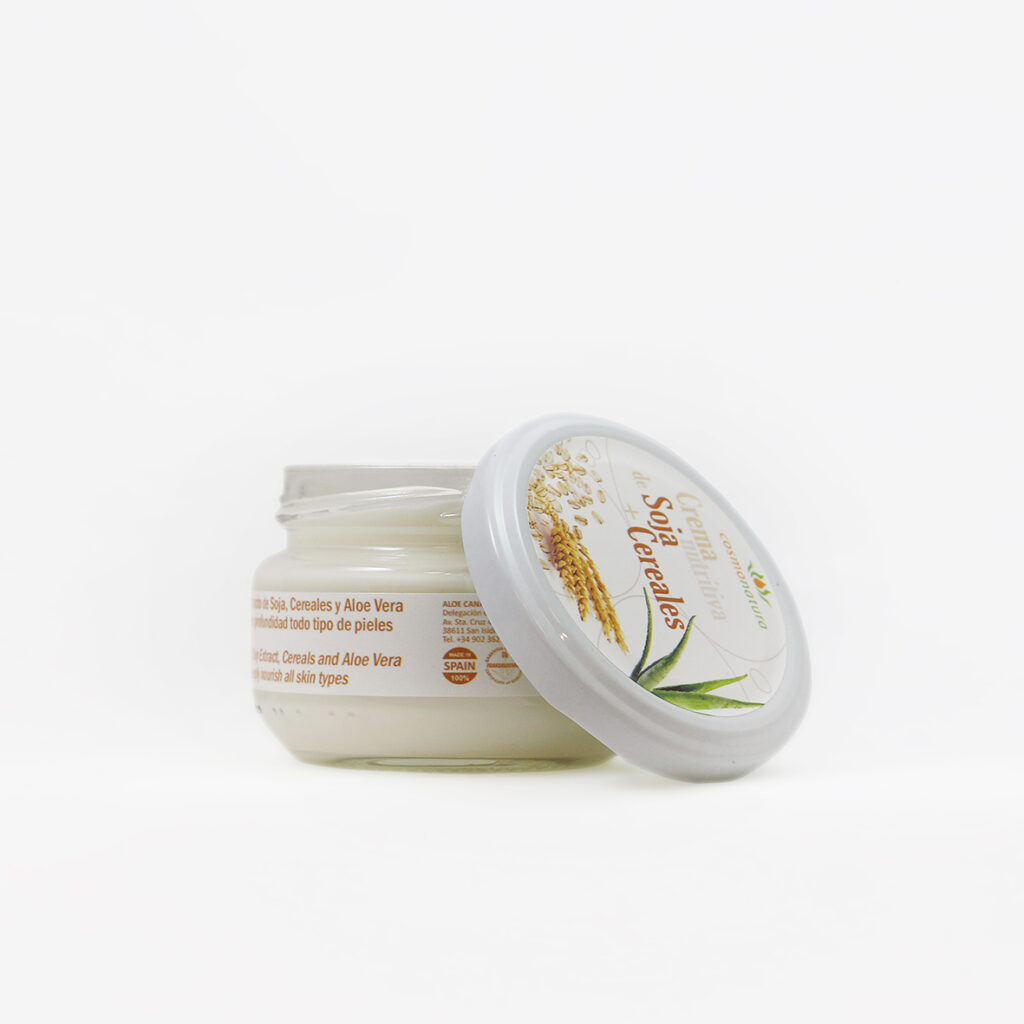
Here we show you our facial treatment for dry and mature skin. Maintains skin hydration and youth.
Soy nourishing cream
In its formula it contains soy extract and 7 cereals.
Benefits of cereals for the skin
Exfoliates the skin
Cereals contain salicylic acid, which is a natural exfoliant that helps remove dead skin cells and prevent pore clogging.
Moisturizes the skin
Cereals are also high in linoleic acid, which helps keep skin hydrated and smooth.
Reduces the appearance of spots
Cereals contain vitamin C, which is an antioxidant that helps reduce the appearance of blemishes on the skin and improve its tone
How to incorporate cereals into our facial care routine
Face scrub
You can make a homemade facial scrub by mixing oatmeal or rice flour with water or milk. This scrub helps remove dead skin cells and prevent pore clogging.
Facial mask
You can make a homemade face mask by mixing rice flour with water and honey. This mask helps hydrate the skin and reduce the appearance of blemishes.
Facial cream
You can use a face cream with oat extract to hydrate the skin and reduce the appearance of blemishes.
In summary, soy and cereals are natural ingredients that can be very beneficial for the skin. Incorporating them into our facial care routine can help us maintain healthy skin.
Azulene
What is azulene?
Azulene is an organic compound found in many plants, such as chamomile and St. John’s wort. It is known for its ability to reduce inflammation and soothe irritated skin.
What are the benefits of azulene for the skin?
Anti-inflammatory
Azulene is a powerful anti-inflammatory that helps reduce swelling and inflammation in the skin. This makes it ideal for people with sensitive skin, rosacea or acne.
Pain relieving
Azulene has soothing properties that help reduce skin irritation and redness. This makes it especially useful for people who suffer from dry, sensitive or psoriasis skin.
Antioxidant
Azulene has antioxidant properties that help protect the skin against free radicals and UV damage. This makes it ideal for people looking for a product that helps prevent premature aging of the skin.
Cell regeneration
Azulene stimulates skin cell regeneration, which helps repair damage caused by external agents and maintain healthier, more radiant skin.
How can you incorporate azulene into your skincare routine?
There are several ways to incorporate azulene into your skincare routine. One of the most common ways is through the use of skin care products that contain extract of chamomile or St. John’s wort, which are rich in azulene.
Here are some products that contain azulene that you can incorporate into your daily skincare routine:
Chamomile tonic
Chamomile toner is an ideal product for people with sensitive or irritated skin. This product helps soothe and refresh the skin thanks to its azulene content.
Moisturizer
St. John’s wort extract moisturizer is a great choice for people with dry or sensitive skin. St. John’s wort is rich in azulene and helps soothe the skin and reduce inflammation.
Chamomile essential oil
Chamomile essential oil is a versatile product that can be used to soothe irritated skin, reduce inflammation, and improve the appearance of the skin.
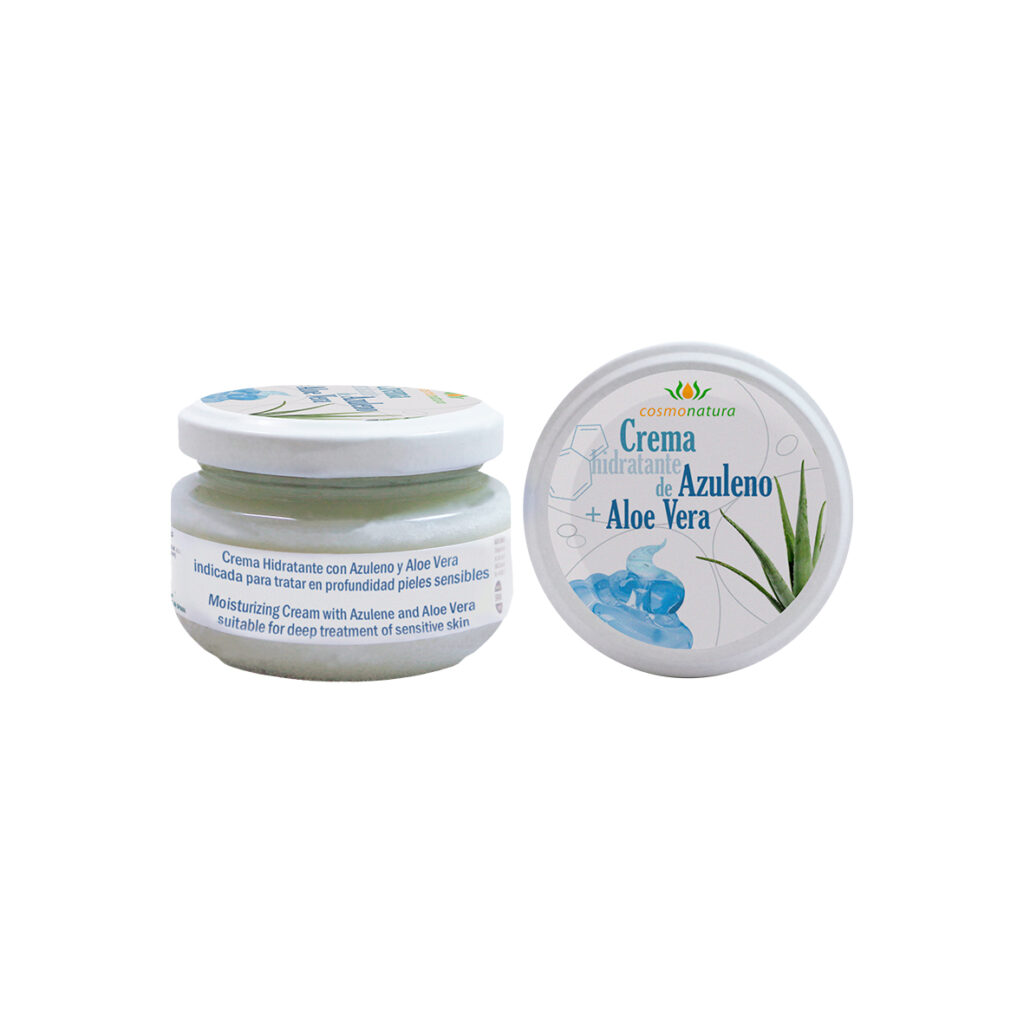
Here we will show you our facial treatment for sensitive skin. Take care and maintain its natural hydration.
In short, azulene is a key ingredient in cosmetics due to its numerous benefits for the skin. If you suffer from sensitive, dry skin, acne or psoriasis, we recommend that you try a product that contains azulene and see for yourself the benefits it can bring to your skin
Rosehip
Rosehip is an essential oil that is extracted from the seeds of the rosehip plant. This oil is rich in antioxidants, essential fatty acids, and vitamins, making it ideal for skin care. In this beauty blog, we will explore the benefits of rosehip and how you can incorporate it into your skincare routine.
What is the rosehip?
The rosehip is a plant that grows in regions with a temperate climate. Rosehip oil is extracted from the seeds of the plant and has been used for centuries to treat a variety of skin conditions.
What are the benefits of rosehip for the skin?
Antioxidant
Rosehip is rich in antioxidants, which helps protect the skin against free radicals and environmental damage. Antioxidants help prevent premature aging of the skin and keep it healthy and radiant.
Moisturizing
Rosehip is rich in essential fatty acids, such as linoleic acid and linolenic acid, which help to hydrate the skin and improve its protective barrier. This makes it ideal for people with dry or dehydrated skin.
Cell regenerator
Rosehip stimulates skin cell regeneration, helping to repair damage caused by the sun, aging, and other environmental factors. This helps maintain healthier, more radiant skin.
Reduces scars
Rosehip has been shown to have properties that help reduce the appearance of scars and acne marks. This is due to its ability to stimulate the production of collagen and elastin in the skin.
How can you incorporate rosehip into your skincare routine?
There are several ways to incorporate rosehip into your skincare routine. One of the most common ways is through the use of skin care products that contain rosehip oil.
Here are some products that contain rosehip that you can incorporate into your daily skincare routine:
Rosehip face oil
Rosehip facial oil is an ideal product for people with dry or dehydrated skin. This product helps hydrate and nourish the skin, while its regenerative properties help maintain healthier, more radiant skin.
Rosehip moisturizing cream
Rosehip Moisturizing Cream is a great option for people looking for deep, long-lasting hydration. This cream helps repair damage caused by environmental factors and maintain healthier, more radiant skin.
Rosehip Body Oil
Rosehip body oil is an ideal product for people with dry or flaking skin. This oil helps to hydrate and nourish the skin, while its regenerative properties help
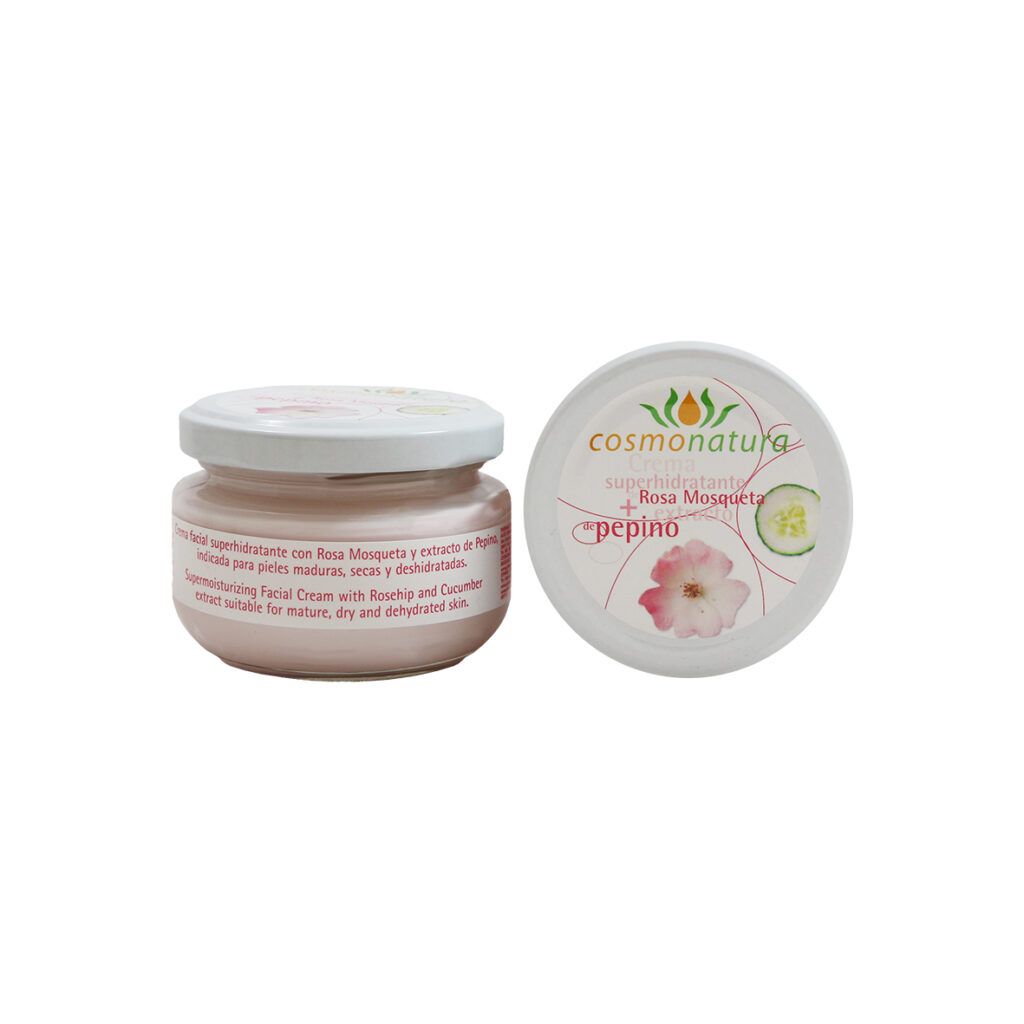
Here we will show you our super moisturizing face cream with rosehip, cucumber extract and Aloe Vera.
Incorporating these five natural cosmetic active ingredients into your daily skincare routine can do wonders for your skin. Try different combinations to find the one that best suits your skin type and individual needs, and enjoy naturally healthy and radiant skin.